SiteworkMath — cubic-yard markConstruction math from people who’ve thrown the wheelbarrow.
From a suburban Chicago gut rehab

Construction calculators built from spec sheets, real rehab math, and the mistakes you only make once.

Based on three Chicago-area flips, a full suburban gut rehab, and Michigan tax-deed property work.

By James Wu — Chicago-area flipper.
Filed · 04 May 2026Reviewed · Spec sheets verifiedRead · 11 min
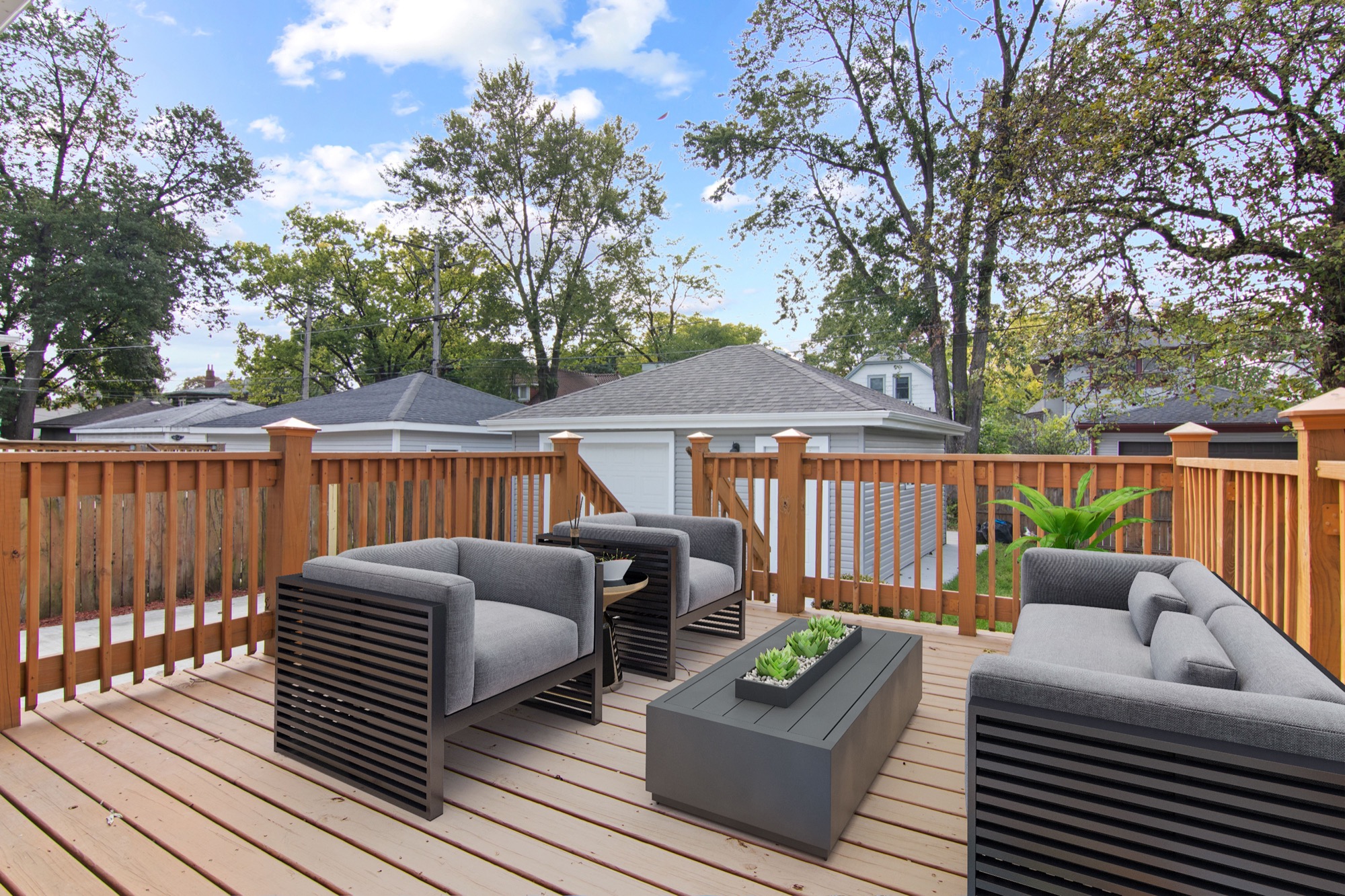
Cedar deck I built at the suburban gut rehab
Chicago suburbs · Summer 2020The cedar deck I built after the second contractor walked off the job. Photographed the day the patio furniture went on.

The first cubic yard of concrete I ever ordered short, I ordered short by about a half yard. The mix truck pulled away from a 12×10 garage slab in the Chicago suburbs with the chute already rinsing, and I stood there with two friends, a screed, and the dawning understanding that the back two feet of the slab were going to be poured tomorrow with bags of Quikrete from the Home Depot on Lake Street — which is exactly what we did, and you can still see the cold joint if you know to look for it.

Every calculator on this site exists because of a moment like that one. The math itself isn’t hard. Length times width times thickness, divide by twenty-seven, you have your cubic yards. Anyone can do it. The thing the calculators on the rest of the internet quietly leave out is the part that costs you money — the cushion, the order minimum, the practical-vs-exact gap, the “ready-mix won’t come for less than three yards” conversation that nobody tells you about until you’re on the phone with the dispatcher and your forms are already up.

So this is a journal. Each calculator is paired with what I actually ordered, from what supplier, with what cushion, and what I’d do differently. The numbers are real. The mistakes are mine.

The math is the easy part. The expensive part is everything the math doesn’t tell you — the truck minimum, the wheelbarrow loss, the half-bag you can’t return because you opened it.Notebook entry, suburban garage slab, Spring 2019

Ask a SiteworkMath question

Quick answers about SiteworkMath's calculators and material take-offs — concrete yardage, topsoil + mulch volume, tile box-count, deck-surface materials. Free, no signup. Not structural-engineering or code advice — for joist / beam / footing / permit decisions, talk to a structural engineer, licensed contractor, or your local building department.

Hi, I'm the SiteworkMath assistant. I answer questions about the calculators and guides on this site — concrete yardage, topsoil, mulch, tile, and decking material math. I'm not a structural engineer or a licensed contractor; I'm a calculator built around the math that James Wu — Chicago-area flipper — uses on his own jobs. For structural decisions (joist sizing, beam spans, footing depth in your soil + climate, anything that needs a permit) talk to a licensed structural engineer or your local building department.

Tools · No. 01Concrete Yardage · Slab

A working calculator, with the order I’d actually place beside the math.

Plug in the slab. The math gives you exact. The notebook tells you what to call the dispatcher with — and when to put the calculator down and order ready-mix instead of bags.

Slab pour, residential interiorMode · Slab (rectangle)
Length
10feet
Long edge of the form.
Width
12feet
Short edge of the form.
Thickness
4inches
Standard residential interior slab.
Waste cushion
5percent
Bump to 10% on rough subgrade.
Volume · 40 ft³
Conversion · ÷ 27
Last reviewed · May 2026

Open the concrete yardage calculator →

Material order cushion
The math1.48 yd³(10 × 12 × 0.333) / 27, before cushion.
What I’d actually order1.75 yd³or about 67× 80 lb bags if going bagged
Why the cushionSmall grade variation, edge forms that bow a quarter-inch, and wheelbarrow loss can eat the difference fast. On a slab this size you’re finishing while the truck is still chuting, and there’s no time to do math when you realize the south corner is short.
When NOT to over-orderAbove 1 yd³ it’s almost always cheaper to order ready-mix than bags — but ready-mix has a minimum delivery. Don’t order 2.31 if the plant minimum is 3 yd³. You’ll either pay the short-load fee or pour what you’ve got and figure out where to dump the rest.
Index · Cycle 01Five calculators · five clusters

The working tools, each one paired with the flip the math came from.

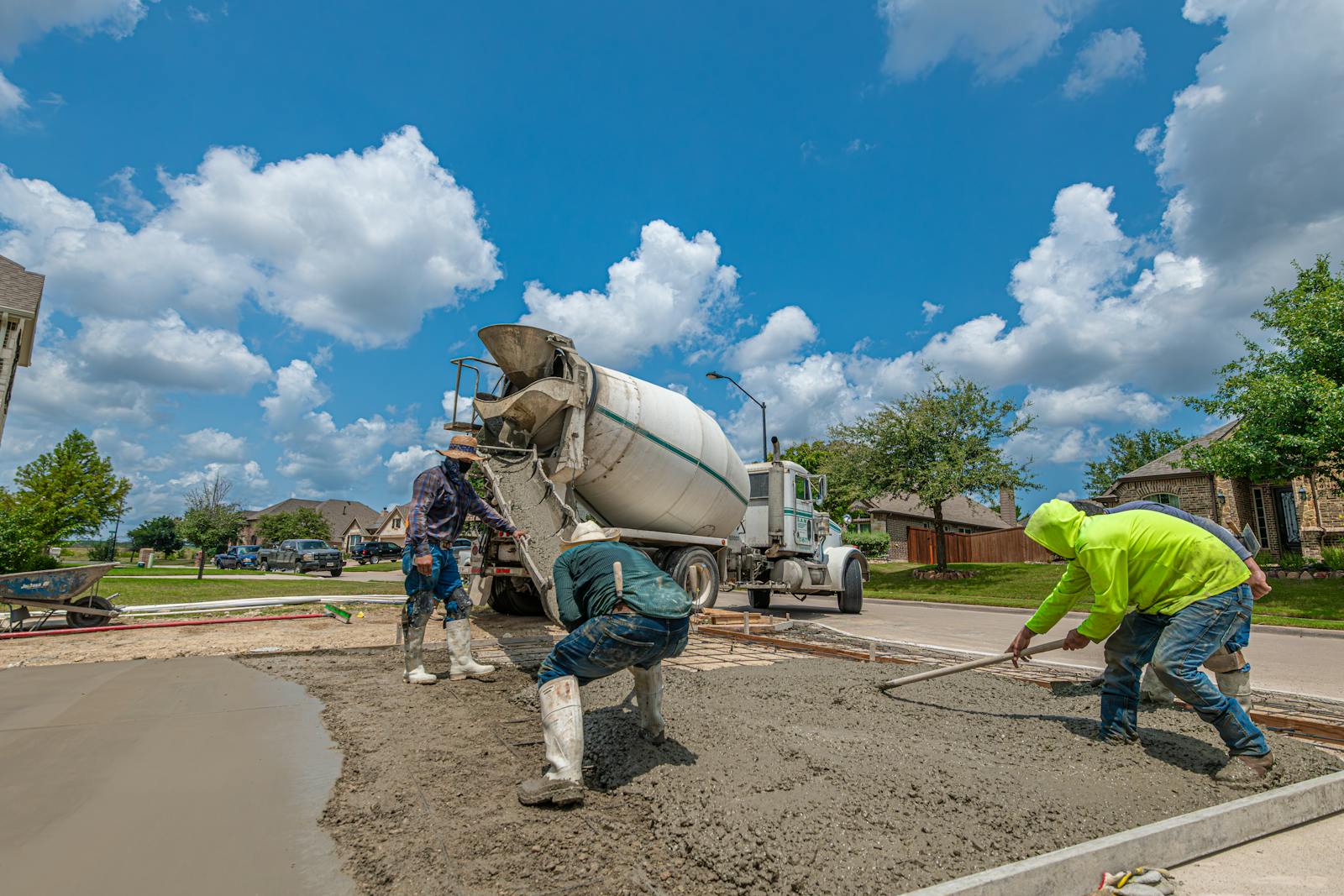
Ready-mix truck pouring a residential concrete driveway
No. 01 · Concrete

Concrete yardage — slabs, footings, post holes, stairs

Chicago suburbs · Summer 2020

Two yards of Ozinga ready-mix at the suburban gut rehab’s basement, ordered with a 0.34-yard cushion that absorbed the half-inch sag in the old subfloor. The math, the supplier, the cushion — all from this pour. Featured calc above.

Read the field notes →
Freshly tilled soil ready for planting
No. 02 · Topsoil

Topsoil — for grass seed, overseeding, garden beds

Chicago suburbs · Spring 2021

Eleven cubic yards of screened topsoil after the cedar deck went in. Ordered twelve. The extra yard became a raised bed in the south corner that we photographed for the listing.

Read the field notes →
Wood-chip mulch over a residential landscape bed
No. 03 · Mulch

Mulch — bag count for landscape beds

Chicago · 2022

Three cubic yards across four beds. Bagged because the alley wouldn’t take a truck.

Read the field notes →
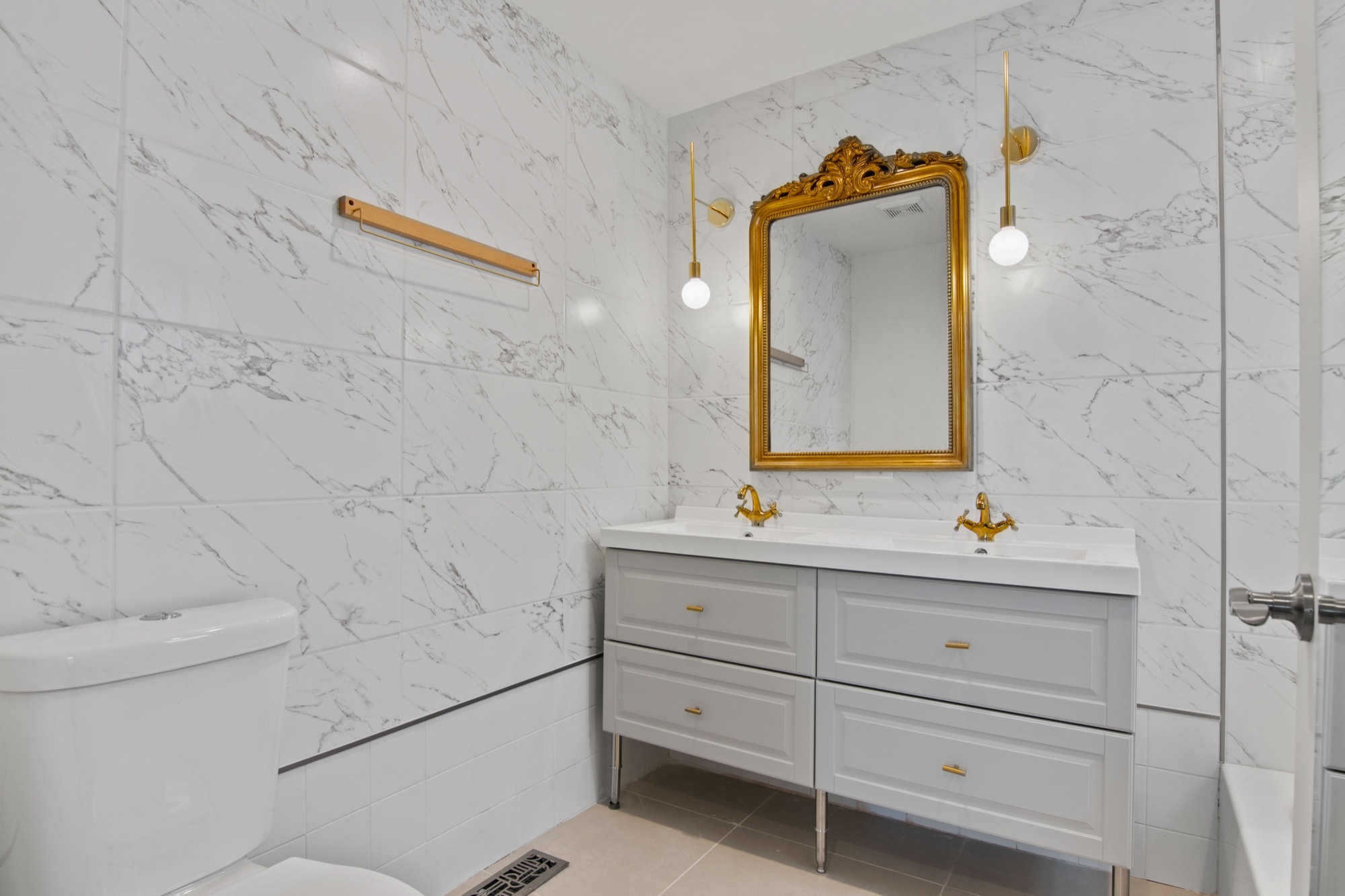
Marble subway tile walls and porcelain floor at a suburban Chicago primary bath
No. 04 · Tile

Tile — sq ft to box count with waste

Chicago suburbs · 2020

Marble subway walls and a porcelain floor at the suburban gut rehab’s primary bath. 12% waste because every cut was a custom angle. Two extra boxes I returned.

Read the field notes →
Cedar deck I built at the suburban gut rehab
No. 05 · Deck

Deck — boards + fasteners for surface decking

Chicago suburbs · Summer 2020

Cedar 5/4×6 over 16-inch joists. Ordered 8% extra; used 6%. The remainder became the planter you can see in the dispatch photo.

Read the field notes →
Kitchen with shaker cabinets at the suburban gut rehab
Index

The full toolkit — every calc, every cluster

All flips · 2019–2024

Browse the working set. Each tool is paired with the flip the math came from and the supplier I’d call again.

Read the field notes →
MethodologyHow the math gets sourced

Every number on this site comes from one of three places: the manufacturer’s data sheet for the bag I’m holding, the practice guidance from the trade body that publishes it, or what I learned the expensive way on a flip. The order of the tiers is also the order of trust. Read the methodology in full →