
The calculators here are by someone who has pulled the permit.
Three Chicago-area flips, a full suburban gut rehab, a garage built from scratch, and Michigan tax-deed acquisitions across two states.
The reason this site exists is that the day I needed a concrete calculator most, the calculators on the internet quietly got the answer right and the order wrong. The math came back as 1.91 cubic yards. I ordered 2.25, paid for the cushion out of pocket, and found a half-inch sag in the old subfloor that a smaller order would have left short. Every page on this site is built around that gap.
What this site is for
SiteworkMath is a working set of construction and landscape calculators paired with the flip each one came from. Concrete yardage, topsoil for grass seed, mulch by the bag, tile by the box, and decking with fasteners. Every output ends with the same four lines: the exact math, what I’d actually order, why the cushion, and when not to over-order. Other calculators stop at line one. The other three lines are the only reason a flipper picks up the phone instead of the calculator.
The flips behind the math
Three Chicago-area projects span the spectrum from light DIY to a full gut rehab with a garage built from foundation up. Photos here are from the suburban gut rehab the morning we listed it — the kitchen, the dining room, the basement, and the cedar deck I built after the second contractor walked off the job.
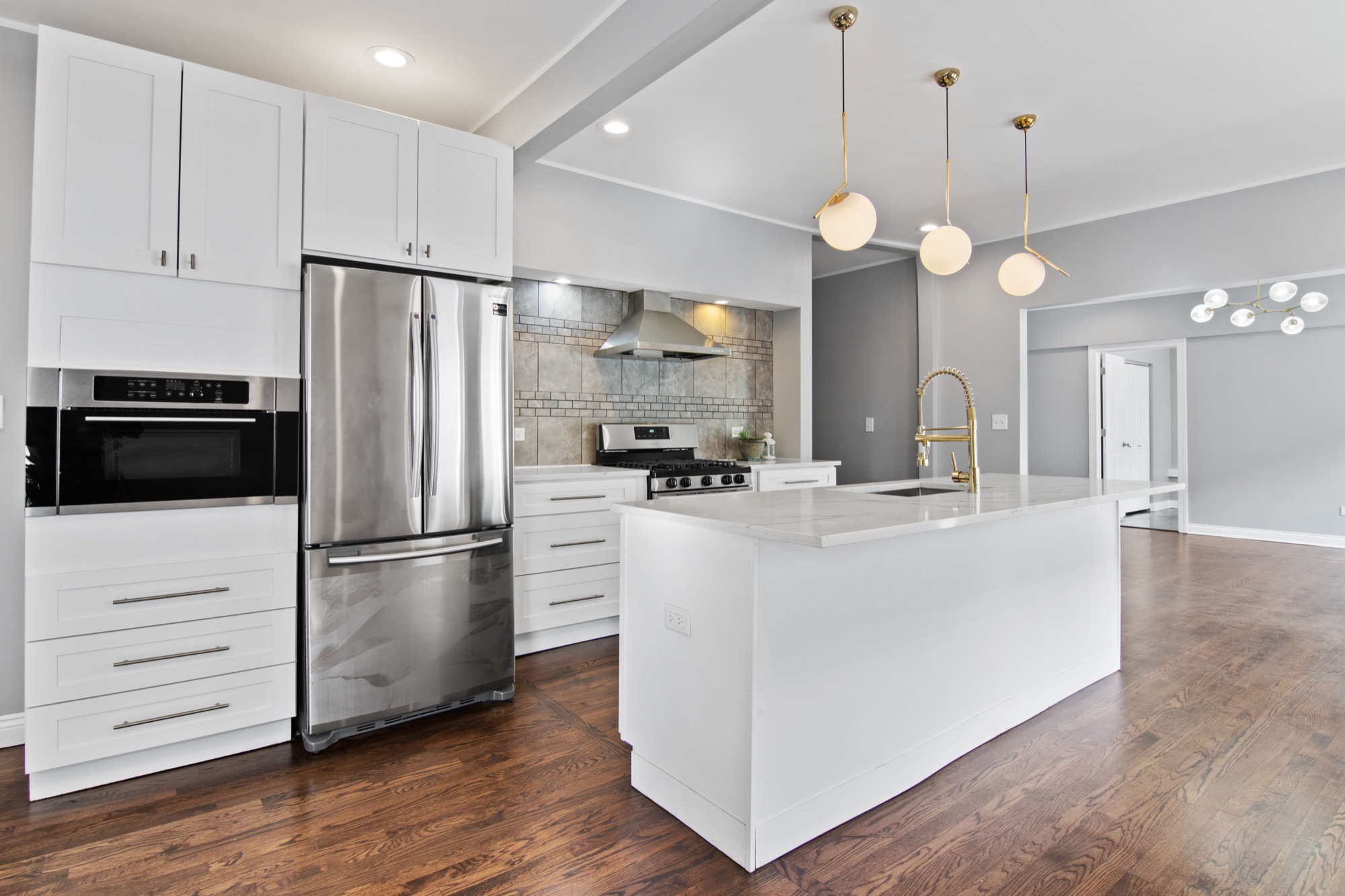
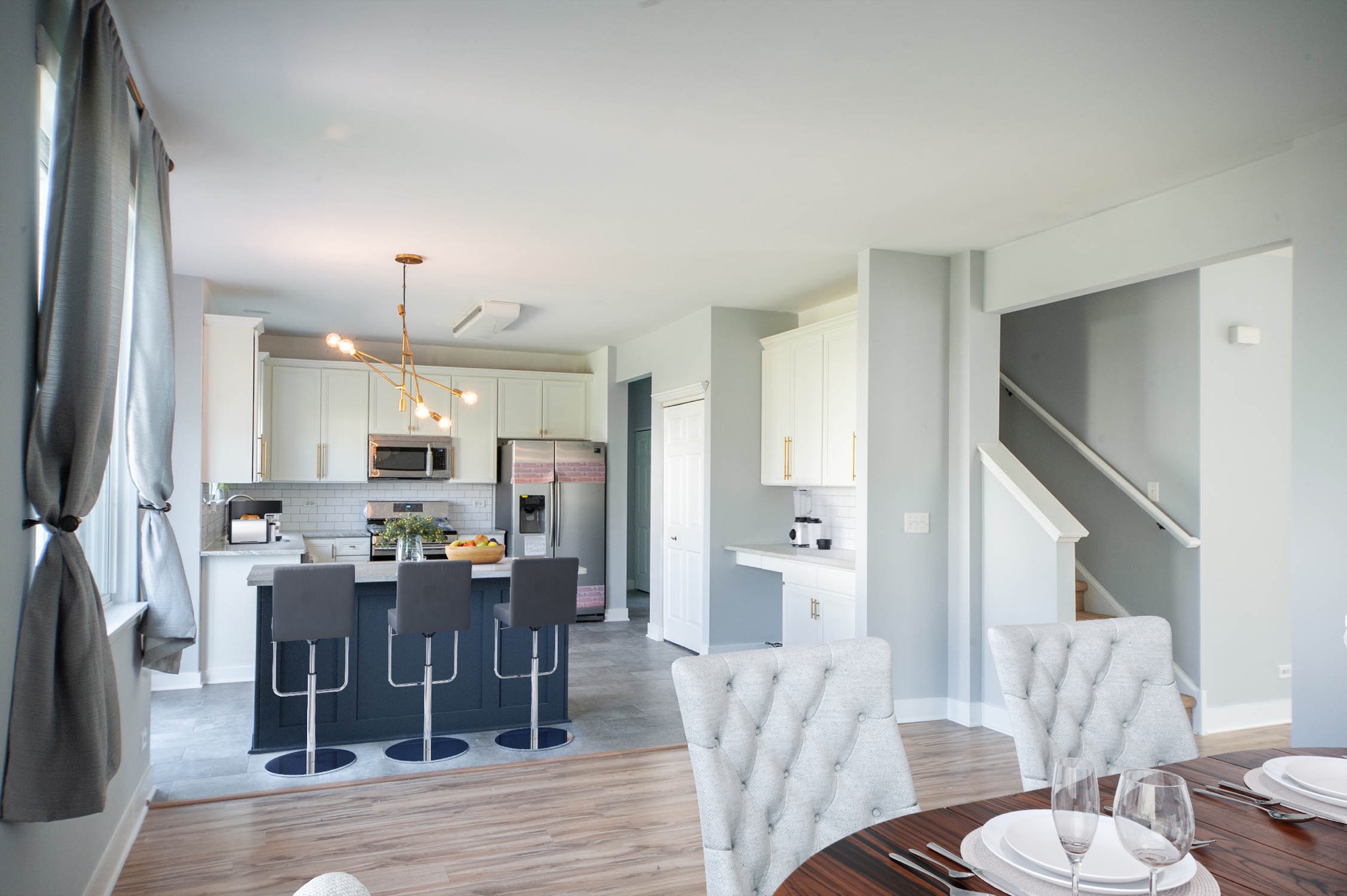
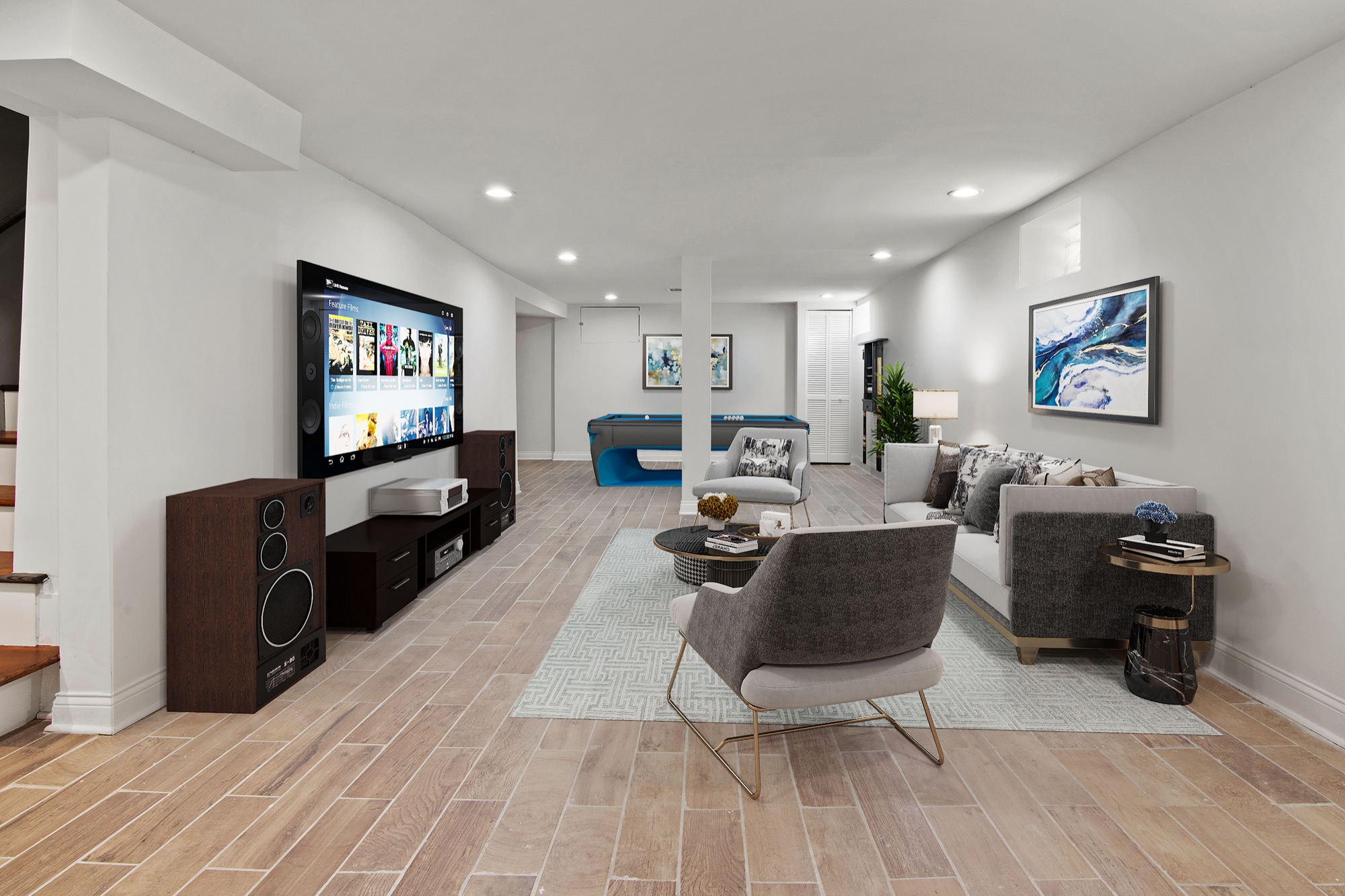
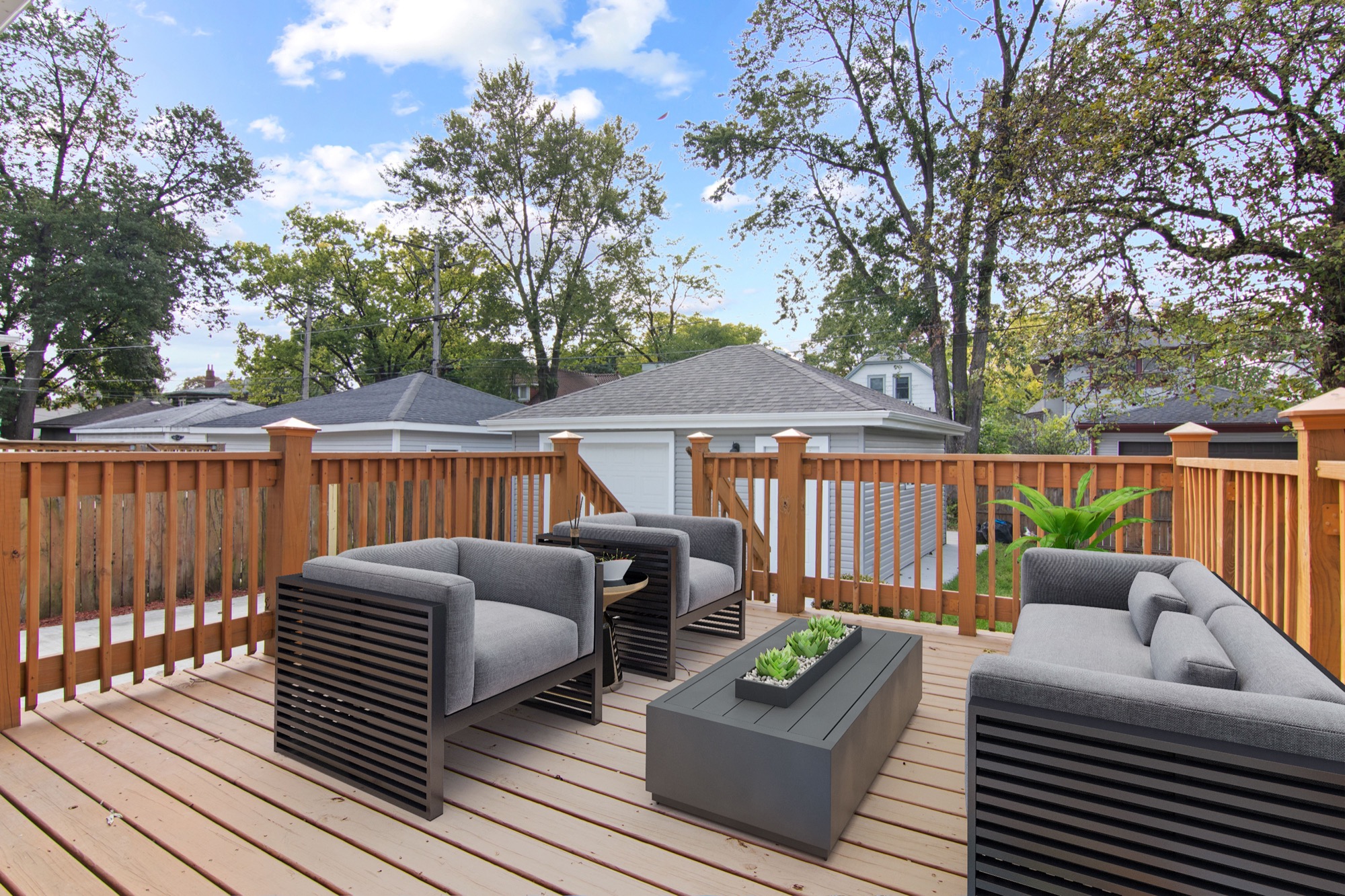
The full gut-rehab project was the hardest of the three. The property came with HOA-association legal trouble that I resolved through a receivership filing — unusual legal sophistication for a single residential property, and the only reason the rehab could happen at all. From there it was a full gut: structural work, a new garage built from foundation, mechanicals replaced, kitchen and baths down to the studs. Two pours, three suppliers, twelve months from contract to closing.
The DIY-rehab project, in another Chicago-area suburb, was the lightest. I did most of the work myself — the garage slab, the interior paint, the hardwood refinishing, the kitchen tear-out. That’s where I learned the hard part of the trade is rarely the math; it’s every line item the math doesn’t cover.
The third project sat in the middle. Denser city flip, alley- only access for materials, half-yard concrete pours one weekend at a time. Photos from that one are still in HEIC format on my desktop and will land on the site as the respective clusters ship.
The Michigan tax-deed angle
Separate from the Illinois retail flips, I bid on Michigan tax-deed properties at the county auctions. Sight-unseen on the inside. The county publishes the inventory ahead of the sale; the bidder gets exterior reconnaissance and public records, and that’s it. Comping ARV from the sidewalk, estimating rehab from roof age, gutter sag, window condition, and a drive through the neighborhood.
The tactical preference I landed on: apartment buildings, not single-family. Multi-unit buildings carry a rental-income floor on the value, the structures tend to be sturdier (brick is common in older MI markets), and a single hoarder unit doesn’t blow up the cap-rate math the way it can blow up a single-family rehab budget. Single-family tax-deed houses can be inside-destroyed beyond what the bid math tolerates. Apartments rarely are.
None of that lives in a calculator yet — the tax-deed playbook is a future content area. I mention it here because it’s the other half of the operator credential, and it’s the half no AI calc competitor can fabricate.
Why my numbers may differ
The math itself comes from manufacturer spec sheets and the relevant trade-body practice guidance — Quikrete data sheets, ACI practice notes, TCNA waste norms, USDA NRCS soil bulletins. The cushions and the practical-order numbers come from the flips. If a published number disagrees with a flip, the flip wins on the cushion line and the published number wins on the math line. The full sourcing model is in the methodology page.